
 Return to Homepage
How to Choose the Right Labelling Machine for Your Product Type
Published: 17th August 2026
Overview
Choosing a labelling machine can feel confusing. There are many machine types and technical terms to get used to. We also see a wide range of specifications and customer needs. On paper, several options may look similar. The differences can actually affect your production every single day.
Selecting the wrong system can lead to poor label placement and frequent downtime. This can waste your investment in improving efficiency. It can slow production and create unnecessary maintenance costs. Most problems start with a simple mismatch between the machine and the product.
This guide explains how to choose a labelling machine based on real production factors. It focuses on product characteristics and output requirements. Businesses are unique and so are their requirements. The goal is to help you make a confident decision that supports long-term efficiency.
Article Section Links

Product Type Matters More Than Machine Type
Many buyers begin by looking at machine models. A better approach is to start with the product itself. The shape, surface, and size of your product determine how labels need to be applied. Production speed and label design also influence the final choice.
A reliable system must handle your product consistently from the first unit to the last. If the product changes, the machine setup must adapt without causing delays.
Five variables usually drive the decision:
- Shape is the first. Round, flat, and irregular items require different application methods.
- Surface material affects how labels stick and how they behave over time.
- Size variation (the difference in size between your products) matters because some machines handle multiple formats more easily than others.
- Throughput determines whether manual, semi-automatic, or fully automatic equipment is required.
- Label type influences the complexity of the application process.
Understanding these factors early prevents costly mistakes later.
Identify Your Product Shape
Shape is often the single most important factor when selecting a labelling machine for different products. Each shape requires a different handling method to achieve consistent results.
Round Products
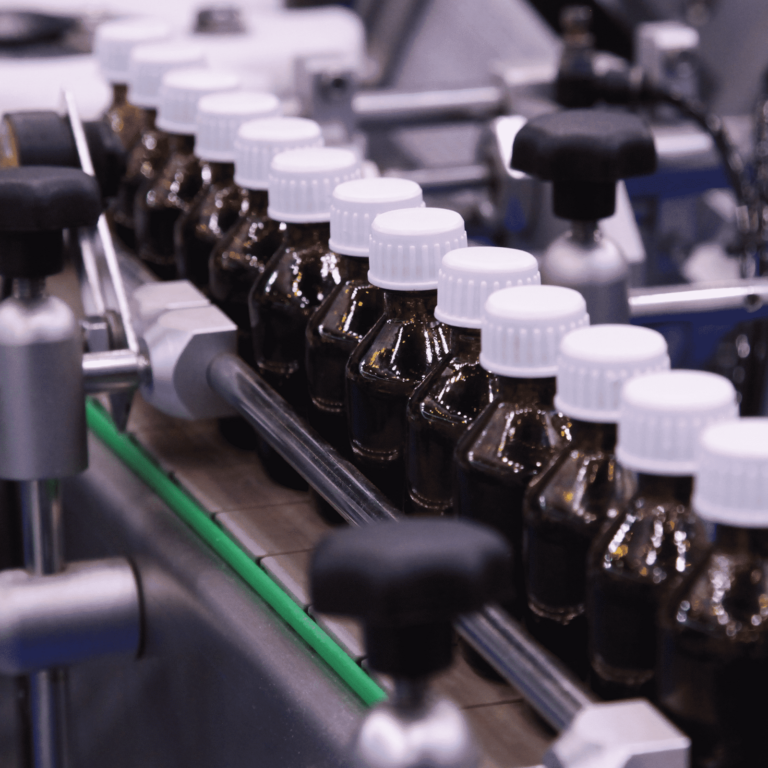
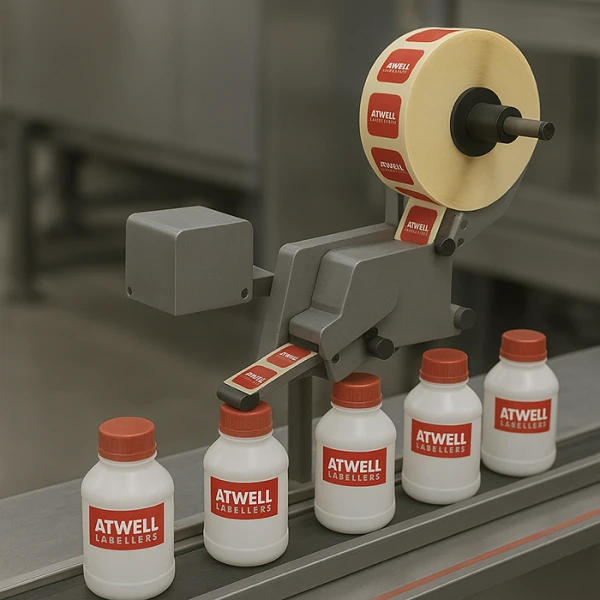
Round containers are common in consumables and chemical manufacturing. Bottles and cans fall into this category. These products usually require wraparound labels that sit evenly around the container.
Machines designed for circular products keep containers stable during application. This stability prevents wrinkles and ensures accurate positioning.
Common solutions include wraparound labellers that are ideal for cylindrical and round packaging.
Other options include tri-roller systems that use a rotating label application process, and bucket applicators. Each option holds the container firmly while the label is applied. This improves consistency at higher speeds.
Flat Products
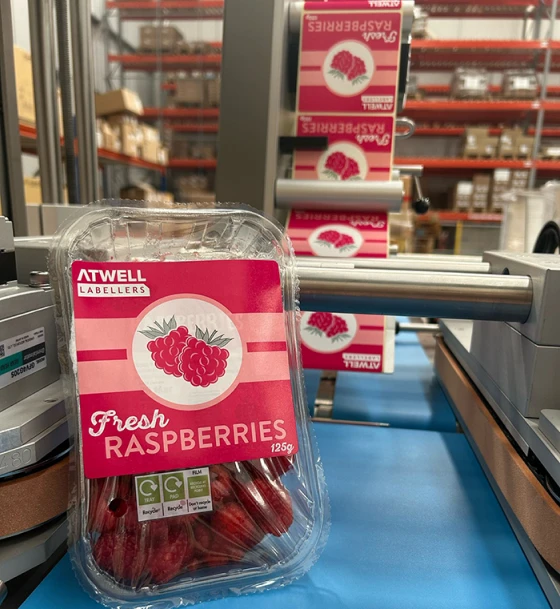
Flat packaging appears in many industries. Boxes and cartons are typical examples. These products usually need labels placed on the top or bottom. Some need labels on both surfaces.
Top and bottom labellers are designed specifically for this task. They keep products aligned while applying labels in a controlled position. They efficiently and simultaneously apply the labels to both top and bottom. This setup supports reliable scanning and clear product identification.
Irregular Shapes
Some products do not fit standard shapes. Things like pouches and tapered containers fall into this group. These items require adaptable systems that can adjust to changing dimensions.
Conical container labellers or custom-built machines are ideal in these situations. They allow precise positioning even when the product shape varies while still being able to label up to 60 products per minute.
Choosing the right system for your product shape is the foundation of reliable labelling.
Consider Your Product Surface and Material
The surface of your product affects how labels perform. A material that looks smooth may still present challenges during production and application.
Glass, plastic, cardboard, and flexible packaging each behave differently. Adhesives respond to atmospheric variations like temperature and pressure. If the material is not considered carefully, labels may peel or shift after application.
Moisture is a common issue in chilled food production. Condensation can weaken adhesives and reduce label lifespan. Uneven surfaces create similar problems because the label cannot make full contact with the product and grip properly.
Squeeze containers introduce another challenge. Movement during handling can distort labels if the machine does not apply them evenly. Matching the machine to the product surface reduces having to do the same job twice and improves reliability. This is why it is so crucial to seek expert advice and create a reliable system for labelling your specific products (whatever shape and size they are!)
Production Speed
Production speed also determines how much automation your operation requires. Choosing equipment that matches your output level prevents bottlenecks and keeps production flowing.
Low Volume
Low-volume production typically ranges from five to 20 units per minute. That equals roughly 300-1200 units per hour.
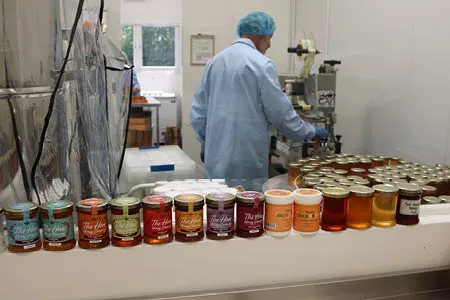
This level suits start-ups and small batch operations. Artisan producers often work within this range while testing new recipes or launching new food products like jams and preserves.
Manual or semi-automatic machines such as the Labelease are often the best choice at this stage. They offer flexibility without requiring large investment. Systems including compact bench-top applicators allow teams to label products efficiently while maintaining control over costs.
Medium Volume
Medium production usually falls between 20 and 60 units per minute. That equals roughly 1,200 to 3,600 units per hour.
This level is common among growing manufacturers supplying regional retailers or distribution networks. Production consistency becomes more important than flexibility at this level.
Semi-automatic or entry-level automatic systems provide the right balance. They increase speed while maintaining reliability.
High Volume
High-volume production begins at around 60 units per minute and can exceed 200 units per minute. That equals more than 12,000 units per hour in large operations.
Large-scale manufacturers and contract packers often operate at this level. These environments require fully automated systems integrated into production lines.
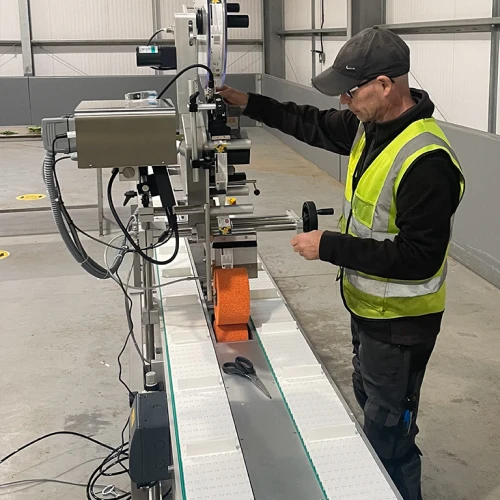
Inline equipment ensures steady output and reduces labour requirements. It also supports continuous operation during long production runs. An automatic labelling machine UK businesses may implement can be entirely customised for your production line.
Label Type and Application Requirements
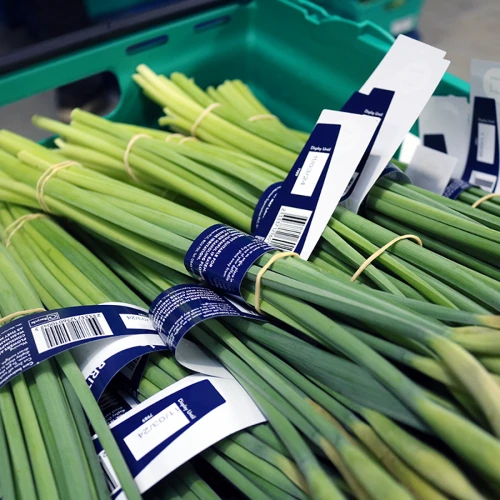
Label design has a direct impact on machine selection. Even small changes in label layout can alter how the system operates.
Wraparound labels require consistent rotation during application. Front and back labels need precise alignment on two surfaces. Top seal labels must be placed accurately across packaging closures.
Tamper-evident labels add another layer of complexity. These labels must sit in a specific position to show whether a product has been opened. This means that their accuracy and efficiency is even more important.
Some products require multiple labels applied in sequence. This process demands precise timing and stable product handling.
Understanding your label design early allows engineers to recommend the correct configuration. It also prevents future modification costs.
Integration With Your Production Line
A labelling system should fit naturally into your existing workflow. It should support production rather than interrupt it or cause more problems.
Standalone machines work well for smaller operations or flexible production areas. Inline systems connect directly to conveyors and filling equipment or even to printers. This setup creates a continuous process from filling to packaging.
Space constraints also influence machine choice. Production lines often have limited room for new equipment. Careful planning ensures the system fits without disrupting existing operations.
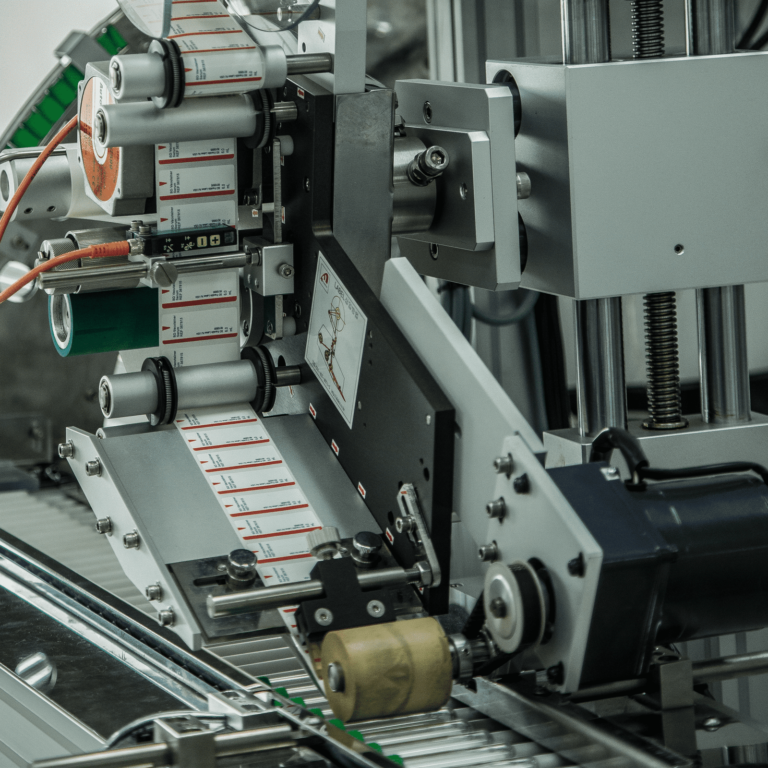
Compatibility with other equipment is equally important. The machine must communicate smoothly with printers and conveyors throughout the production line. Reliable integration keeps production moving and reduces maintenance issues.
The top systems can be configured to match almost any production layout. Atwell’s systems fit into your systems in the most efficient way.
Common Mistakes to Avoid
Many purchasing decisions focus too heavily on price. A cheaper machine may seem attractive to some businesses but it can create higher operating costs if performance is unreliable or doesn’t match your needs.
Another common mistake is failing to plan for growth. Production volumes rarely stay the same. A system that works today may struggle once demand increases.
Material compatibility is often overlooked as well. Labels and adhesives must match the product surface and storage conditions. Ignoring this factor can lead to repeated work and a waste of employee time and effort.
Underestimating your business production speed requirements creates similar problems. If equipment cannot keep up with demand, production slows and labour costs rise.
Conclusion
There is no universal solution when selecting a labelling machine. All of the crucial factors need to be considered before investing.
Support from Atwell is always available. A short conversation can clarify requirements and identify the most efficient solution.
You can speak directly with the team on 01444 239970 or email sales@atwell-labellers.co.uk to request a consultation based on your production needs.
Contact Atwell Labellers
Related News & Case Studies

What To Look For When Purchasing New Labelling Machines
5 Key Types Of Labelling Machines For Your Products